What to Expect During a Commercial Foundation Inspection
People seeking what to expect during a commercial foundation inspection can rely on local contractors to assess foundation stability, identify issues, and ensure building safety.
Understanding what to expect during a commercial foundation inspection can help property owners feel more prepared for this important step in assessing their building’s stability. During the inspection, experienced service providers will typically evaluate the foundation’s overall condition, looking for signs of settlement, cracks, or other issues that could indicate underlying problems. This process often involves a visual assessment, along with potential measurements and testing to gain a clearer picture of the foundation’s integrity. Property owners in the area who are considering a foundation inspection for maintenance, safety, or pre-purchase reasons will find that local contractors can provide thorough evaluations tailored to commercial structures.
For those exploring foundation inspection services, knowing what the process entails can clarify expectations and highlight the importance of professional expertise. Local service providers are equipped to identify early signs of foundation concerns that might otherwise go unnoticed, helping property owners make informed decisions about repairs or ongoing maintenance. Whether the goal is to verify the stability of an existing structure or to prepare for future development, understanding what happens during a commercial foundation inspection underscores the value of working with experienced local contractors who can deliver reliable assessments and guidance.
- Commercial building owners - local contractors conduct thorough assessments to identify foundation issues that could impact structural integrity.
- Industrial facility managers - service providers perform detailed inspections to detect early signs of foundation settlement or movement.
- Retail property managers - professionals evaluate foundation conditions to ensure safety and compliance during routine or pre-sale inspections.
- Office complex operators - local pros examine foundations for cracks, shifts, or other concerns that may require repair or reinforcement.
- Warehouse owners - service providers assess foundation stability to prevent future damage and support ongoing operations.
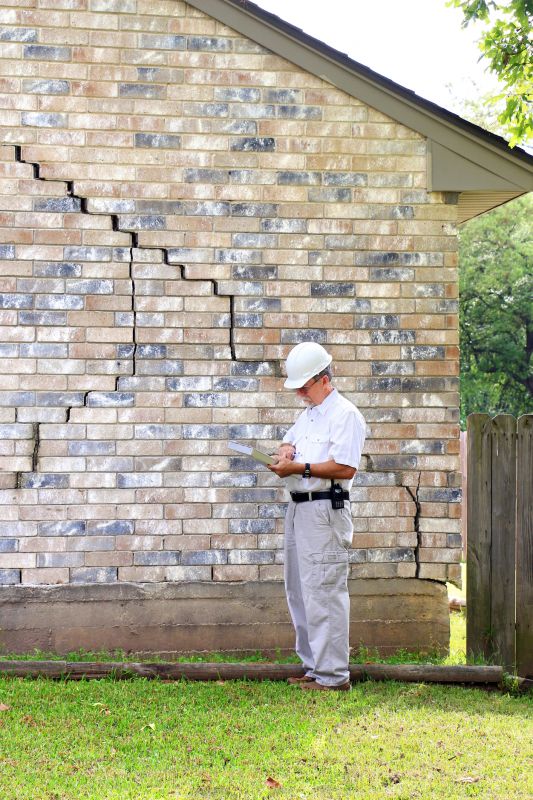

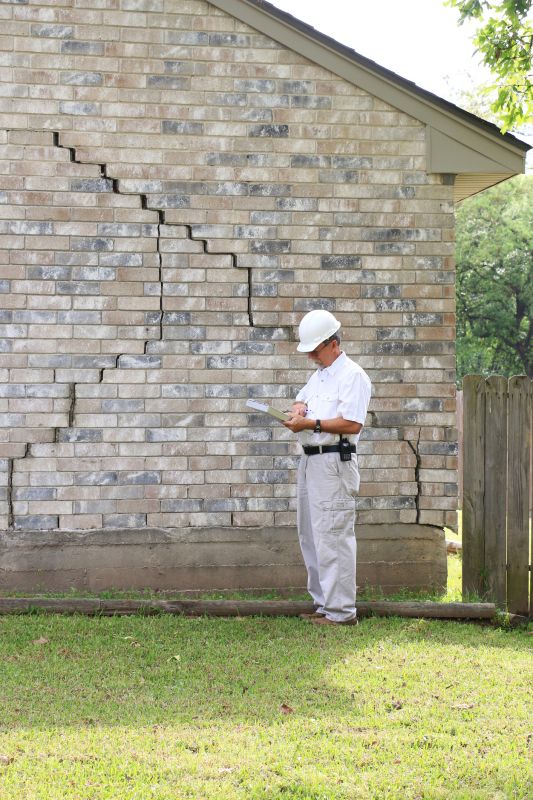
A commercial foundation inspection is a key step in assessing the stability and integrity of a building’s base. When people search for what to expect during this type of inspection, they often want to understand the process involved and how it relates to their property’s safety and longevity. Typically, the inspection begins with a visual examination of the foundation’s exterior and interior, looking for signs of damage such as cracks, settlement, or water intrusion. The goal is to identify any existing issues that could compromise the structure or indicate potential future problems. Local service providers who specialize in commercial foundation inspections bring experience in recognizing common signs of foundation distress and understanding how these issues relate to the building’s overall health.
During a commercial foundation inspection, professionals usually perform a series of targeted assessments. They may use tools like laser levels or moisture meters to evaluate the foundation’s levelness and detect uneven settling. The inspection may also include probing or measuring cracks to determine if they are stable or worsening. Inspectors often check for signs of water damage or erosion around the foundation, which can weaken support over time. For property owners, understanding what to expect during a commercial foundation inspection helps clarify that the process is thorough and focused on uncovering both visible and hidden problems that could affect the property’s safety or future plans.
The types of properties that typically come up for commercial foundation inspections include office buildings, retail stores, warehouses, industrial facilities, and multi-unit residential complexes. These structures often have large, complex foundations that require careful evaluation to ensure they are capable of supporting the building’s weight and usage. In many cases, property owners or managers seek inspections when they notice signs of foundation issues, plan renovations, or are preparing for sale or refinancing. Local contractors experienced in commercial foundation inspections understand the specific challenges these types of properties present and can tailor their assessments accordingly, ensuring that all potential concerns are addressed.
Understanding what to expect during a commercial foundation inspection helps property owners and managers make informed decisions about their buildings. It’s an essential step in maintaining structural safety, planning repairs, or confirming the stability of a property before undertaking significant projects. When seeking a foundation inspection, it’s important to work with experienced service providers who understand the unique aspects of commercial properties. These local pros can provide a detailed assessment, identify issues early, and help develop a plan for repairs or reinforcement if needed, ultimately supporting the long-term stability and value of the property.
Soil Testing Services - These projects involve assessing soil stability and composition, requiring similar planning and equipment as foundation inspections to identify potential issues affecting structural integrity.
Structural Assessment Projects - Evaluating building frameworks for stability and damage involves comparable inspection techniques and attention to detail as commercial foundation evaluations.
Drainage and Water Management Inspections - Ensuring proper drainage around buildings requires similar site analysis, planning, and tool use as foundation assessments to prevent future foundation problems.
Retaining Wall Inspections - Examining retaining walls for signs of failure or movement involves skills and tools akin to those used during foundation inspections to evaluate earth support structures.
Concrete Quality Testing - Projects focused on testing concrete integrity and curing conditions share similar methods and planning as foundation inspections to ensure material stability.
Site Grading and Land Surveying - These projects involve analyzing land contours and elevations, which complements the site evaluation component of commercial foundation inspections.

When evaluating commercial foundation inspection services, it is important to consider the experience of local contractors with similar projects. A service provider with a proven track record in inspecting foundations of comparable size and type can offer valuable insights into potential issues and appropriate solutions. Homeowners should inquire about the types of properties the contractor has worked on and whether they have encountered challenges similar to those of their own building. This familiarity can help ensure that the inspection is thorough and tailored to the specific needs of the commercial structure.
Clear, written expectations are essential when choosing a service provider for a commercial foundation inspection. A reputable local contractor should be able to provide a detailed scope of what the inspection will cover, including the areas that will be examined and the types of issues that may be identified. Having this information in writing helps set realistic expectations and ensures that both parties are aligned on the process. It also provides a record of what was agreed upon, which can be useful for future reference or if any questions arise after the inspection.
Effective communication and reputable references are key factors when comparing local pros for foundation inspections. Service providers who maintain open lines of communication tend to be more transparent and responsive, making it easier for homeowners to ask questions and receive updates throughout the process. Additionally, seeking references or reviews from previous clients can help gauge the reliability and professionalism of a contractor. Trusted references can provide insights into the quality of work, accuracy of inspections, and overall experience, helping homeowners make informed decisions when selecting a service provider for their commercial foundation needs.
Property owners often search for what to expect during a commercial foundation inspection when they are planning practical projects around their homes and businesses. Local pros provide Commercial Foundation Inspection services for everyday jobs and straightforward project options.
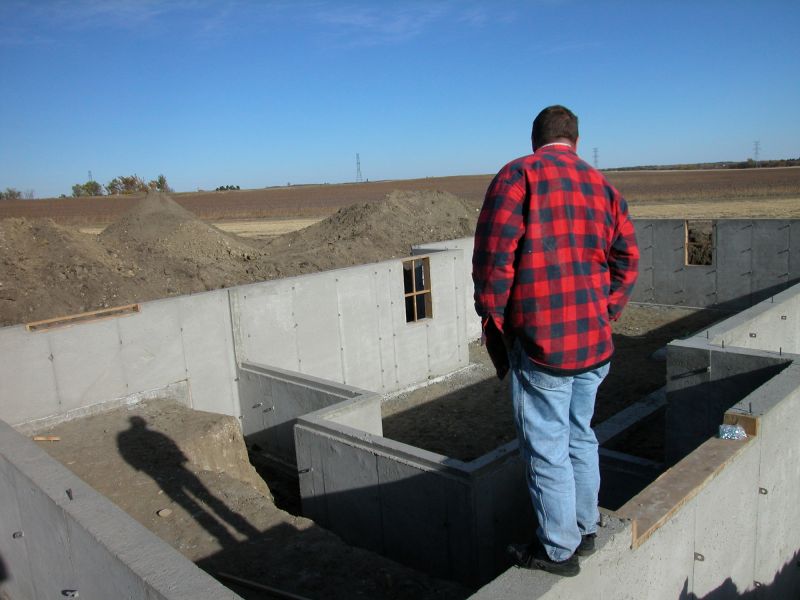

During a commercial foundation inspection, property owners can expect a thorough assessment of the building’s structural base. Local contractors typically begin by visually examining accessible areas around the foundation for signs of damage, such as cracks, uneven surfaces, or shifting soil. They may also use simple tools to check for movement or settling and evaluate drainage patterns to ensure water isn’t pooling near the structure. This process helps identify potential issues early, allowing property owners to understand the current condition of their foundation and determine if any repairs or further evaluations are necessary.
Understanding what to expect during a commercial foundation inspection can help property owners feel more prepared for the process. Service providers often discuss their findings openly, explaining any visible concerns and what they might mean for the building’s stability. They may recommend additional testing or inspections if necessary, such as soil analysis or more detailed structural evaluations. Connecting with experienced local contractors ensures that property owners receive a comprehensive assessment, giving them the information needed to make informed decisions about maintaining or repairing their commercial property’s foundation.
What happens during a commercial foundation inspection? During a commercial foundation inspection, local contractors assess the foundation's condition by examining visible surfaces, measuring for shifts or cracks, and checking for signs of settling or movement.
What areas do professionals typically evaluate? Professionals evaluate the foundation's surfaces, basement or crawl space conditions, support beams, and any signs of water intrusion or deterioration that could affect stability.
Are there specific signs of foundation issues to look for? Common signs include cracks in walls or floors, uneven flooring, doors or windows that stick, and visible shifting or settling of the structure.
How do local service providers perform the inspection? They perform visual examinations, use measuring tools to detect movement, and may employ specialized equipment to assess the foundation's stability and identify potential problems.
What should property owners expect after an inspection? Property owners typically receive an evaluation of the foundation's condition, potential recommendations for repairs or further assessments, and insights into any existing or developing issues.
Understanding inspection procedures - Property owners can learn what steps local contractors take during a commercial foundation inspection to ensure thorough evaluation of structural conditions.
Identifying common issues - Recognizing typical foundation problems, such as cracks or settling, helps owners prepare for discussions with service providers about potential repairs.
Assessing inspection outcomes - Knowing how to interpret inspection reports enables property owners to make informed decisions about necessary foundation work or maintenance.
Planning for repairs or upgrades - Insights gained during the inspection can guide project planning when working with local contractors on foundation stabilization or reinforcement.
If you are thinking about what to expect during a commercial foundation inspection for a property, this guide is meant to help you understand this topic, the typical project types, and how different options might fit your plans.
When you are ready, you can use the quote form on this page to share a few details about your project. From there, local pros can review the basics and follow up with options that match what you have in mind.